Sealing Concrete After Cleaning: Is It Worth the Cost?
@landenbnjy434
Investing in a professional high-pressure clean instantly restores the bright, fresh appearance of your driveway, patio, or pool surround. However, property owners across Byron Bay frequently face a secondary decision once the grime is gone: should you pay the extra cost to seal the concrete?
While skipping the sealer might save money on your immediate invoice, the humid, subtropical climate of the Northern Rivers changes the financial equation significantly. Understanding how coastal conditions degrade bare concrete helps clarify whether sealing is a genuine long-term investment or an unnecessary upsell.
The Impact of Byron Bay’s Coastal Climate on Unsealed Concrete
Concrete appears solid and impermeable, but structurally it behaves like a dense sponge. It is filled with microscopic capillaries that naturally draw in moisture, airborne contaminants, and organic matter. In Byron Bay, several unique environmental factors accelerate this deterioration:
- Subtropical Humidity and Persistent Rainfall: Warm, damp conditions provide the perfect breeding ground for black algae, mold, and green moss, which can recolonize unsealed pores within a matter of months.
- Marine Salt Air: Coastal salt spray penetrates deep into unsealed concrete, causing chemical degradation and rusting the internal reinforcing steel mesh, leading to costly structural spalling.
- Subtropical Tree Tannins: Local foliage—such as tea trees, eucalyptus, and palms—frequently drops leaves that release heavy tannins, permanently staining porous surfaces after heavy downpours.
- Intense UV Exposure: High solar exposure degrades unsealed surfaces, leaving concrete prone to surface dusting, flaking, and erosion over time.
The Financial Equation: Upfront Cost vs. Ongoing Savings
Adding a sealing treatment typically increases the cost of your exterior cleaning project by 30% to 50%, depending on the surface area and the type of product chosen. However, evaluating this purely as an upfront cost overlooks the long-term maintenance savings.
When concrete remains unsealed after pressure washing, the surface pores remain wide open. Within six to nine months, organic growth usually returns, requiring another aggressive wash. Over a five-year cycle, the cumulative cost of bi-annual high-pressure cleanings far exceeds the one-time application of a quality sealer.
Furthermore, regular high-pressure water blasting on unsealed concrete slowly etches away the cement paste, exposing the sand and aggregate underneath. Sealing forms an invisible defensive barrier that shields the surface, effectively extending the lifespan of your hardscaping and avoiding tens https://ameblo.jp/milotfgy425/entry-12985262041.html of thousands of dollars in premature replacement costs.
Choosing the Right Sealer for Coastal Properties
Selecting the appropriate formula is critical to achieving lasting protection without compromising safety or aesthetic appeal. In modern exterior maintenance, two primary types of sealers are utilised:
1. Penetrating Deep-Core Sealers
Penetrating sealers (such as silane-siloxane compounds) absorb deep into the concrete's pores without altering the surface texture or colour. Because they chemically bond below the surface, they leave the concrete completely breathable while causing water, oil, and salt to bead up and run off. These sealers are ideal for sloped driveways, exposed aggregate, and poolside areas where maintaining slip resistance is vital.
2. Topical Film-Forming Sealers
Topical sealers (such as acrylics or polyurethanes) create a protective, clear protective skin over the top of the slab, offering a decorative wet-look, satin, or gloss finish. While topical coatings provide exceptional stain resistance against automotive fluids and barbecue grease, they require the addition of non-slip traction additives to prevent slick surfaces during wet weather.
How to Tell If Your Concrete Needs Sealing
If you are unsure whether your freshly cleaned concrete requires a fresh protective coat, a simple test provides the answer immediately:
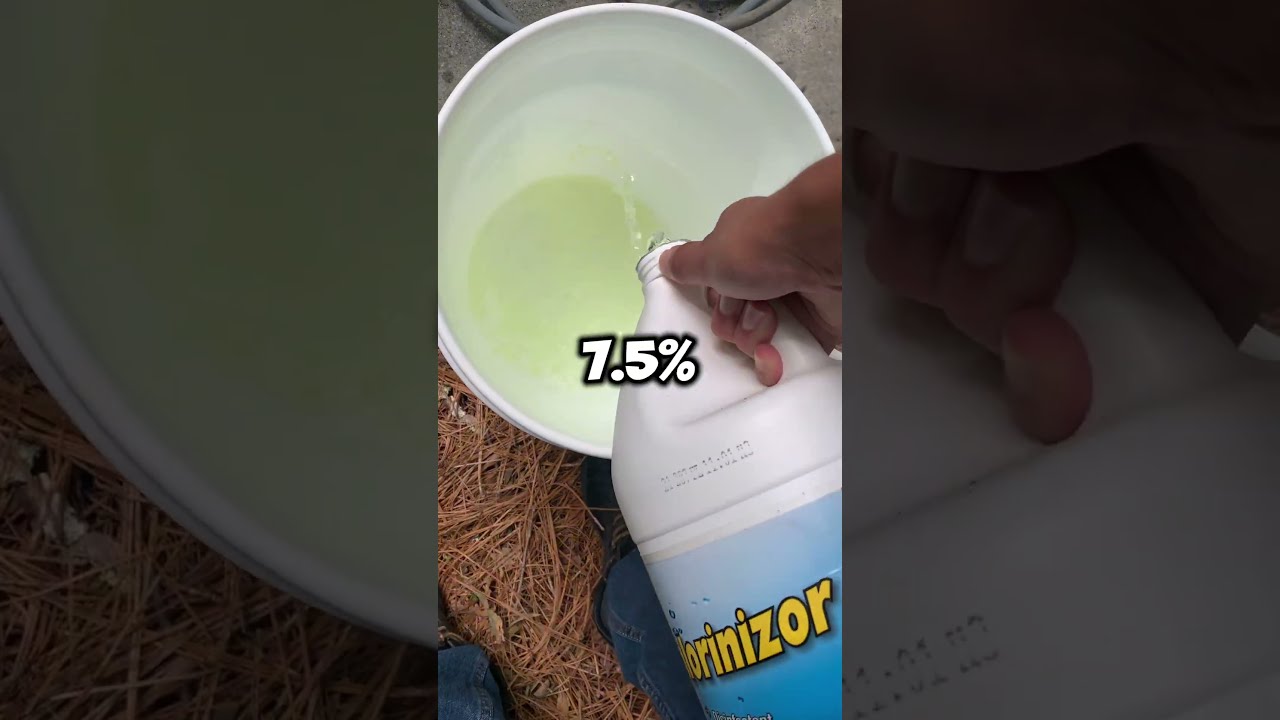
- Pour a small cup of clean water onto dry concrete.
- Wait approximately three to five minutes.
- Observe the surface: if the water beads on top like a freshly waxed car, your existing protection is intact. If the water darkens the concrete and sinks in, the slab is unprotected and vulnerable to moisture intrusion.
The Verdict: Is Sealing Concrete Worth It?
For Byron Bay homeowners, sealing concrete after cleaning is unequivocally worth the cost. The initial investment pays for itself by dramatically extending the intervals between deep cleans, shielding your investment from aggressive coastal elements, and keeping outdoor entertaining areas cleaner and safer year-round.
Byron Bay Pressure Cleaning Pros
0440 133 038